Noorani Qaida Foundation Course

Every Great Quran Reader
Starts with Noorani Qaida

We build unshakable foundations — letter by letter, sound by sound — so your child reads the Holy Quran with confidence, fluency, and the love it deserves.

Start Free Trial Class
Scroll
بِسْمِ ٱللَّٰهِ ٱلرَّحْمَٰنِ ٱلرَّحِيمِ

Why Noorani Qaida Is
the Most Important Step

Many parents rush their children into reading the Quran directly without realizing that Noorani Qaida is the essential foundation of Quranic reading. It is the very first book that introduces a student to the Arabic alphabet, their correct pronunciation, and the rules that govern how each letter sounds in different contexts.

Without mastering Noorani Qaida, a child may memorize portions of the Quran but will always struggle with pronunciation, tajweed rules, and reading fluency. At Al Fajar Quran Institute, we treat Noorani Qaida not as a preliminary step to rush through — but as the most critical phase of a student's entire Quranic journey.

القَاعِدَةُ النُّورَانِيَّة

Noorani Qaida systematically teaches 29 Arabic letters, their individual forms, joined forms, vowel marks (harakat), sukoon, tanween, shaddah, and mad — building a complete phonetic understanding before a child ever opens the Holy Quran.
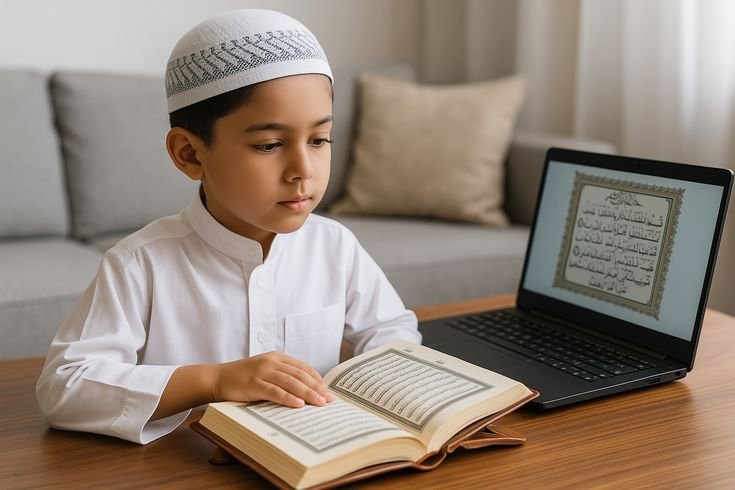
Child reading Quran online
5,000+ Students Started with Noorani Qaida

What Makes Noorani Qaida
Truly Irreplaceable

Skipping Noorani Qaida is like building a house without a foundation. Here's why every single concept in it matters deeply.

Arabic Letter Recognition

Students learn to recognize all 29 Arabic letters in their isolated, initial, medial, and final forms — so they can identify any letter in any position within a word.

Correct Pronunciation (Makharij)

Each letter is taught with its exact point of articulation — from the throat, tongue, lips, or nasal passage — ensuring authentic Quranic pronunciation from day one.

Vowel Marks (Harakat)

Fatha, Kasra, Damma — these small marks completely change how a letter sounds. Students master each one thoroughly before moving forward.

Sukoon & Joint Letters

Reading letters without vowels (sukoon) and connecting them smoothly is where many students stumble. Noorani Qaida dedicates significant practice to this skill.

Tanween & Doubled Letters

Double vowel sounds (tanween) and doubled consonants (shaddah) are practiced extensively so students develop natural rhythm in their reading.

Madd (Letter Elongation)

Short, medium, and long madd are introduced step by step. This is the foundation of tajweed and what gives Quran recitation its beautiful melodic quality.

How We Teach Noorani Qaida
Step by Step

Every lesson is carefully sequenced. We never rush. Each concept is fully understood and practiced before the next one begins.

1

Single Letters with Correct Pronunciation

The journey begins with identifying each of the 29 Arabic letters individually. The teacher pronounces each letter clearly, and the student repeats it until the sound is perfect. Special attention is given to letters that non-Arabic speakers often confuse, such as ح (Ha), خ (Kha), ع (Ain), and غ (Ghain).

ابتثجحخدذرزسشصضطظعغفقكلمنهوي
2

Letters with Fatha (َ)

Once isolated letters are mastered, students learn each letter with a fatha (short "a" sound) on top. This is the student's first experience reading a letter with a vowel. The teacher ensures the fatha sound is crisp and not dragged. This step alone typically takes several sessions because it sets the pattern for all vowel work to come.

بَتَثَجَحَخَدَرَسَشَصَعَ
3

Letters with Kasra (ِ) and Damma (ُ)

Next, students learn the same letters with kasra (short "i" sound below) and damma (short "u" sound above). The teacher carefully explains how the mouth and jaw position change for each vowel. Students practice reading the same letter with all three vowels side by side to build flexibility and awareness.

بِبُتِتُجِجُدِدُسِسُ
4

Joined Letters (Murakkabat)

This is where reading truly begins. Students start connecting two letters together — first with fatha, then kasra, then damma. The teacher demonstrates how letters change shape when joined, and how the sound flows from one letter to the next without pausing. This is often the most challenging phase, so we dedicate ample time to it.

بَابَتَبَجَبَخَتَبَثَبَ
5

Sukoon (ْ) — Stopping on a Letter

Students learn to read a letter with sukoon (no vowel), which means the sound stops briefly. This is crucial because it teaches students how to pause correctly in the Quran. The teacher provides many exercises where sukoon appears in the middle and at the end of letter combinations.

بْتْبَتْقَلْبْمِنْعَلَيْهِمْ
6

Tanween — Double Vowel Sounds

Tanween adds an "n" sound after the vowel — fathan (ً), kasran (ٍ), and damman (ٌ). Students practice reading these in various letter combinations. The teacher emphasizes that tanween should sound light and natural, never heavy or exaggerated. This prepares students for the many tanween they will encounter in the Quran.

بًبٍبٌقَوْلًاسَلَامٌمُؤْمِنٍ
7

Shaddah (ّ) — Doubled Letters

Shaddah means a letter is pronounced twice — once with sukoon and once with a vowel. This requires practice to sound natural. The teacher breaks it down slowly: first identify the shaddah, then pause slightly on the letter, then continue. Students practice with common Quranic words that contain shaddah.

بّتّشَدَّرَبُّالْحَمْدُإِنَّ
8

Madd — Letter Elongation

The final and most beautiful step. Students learn to stretch the sound of certain letters when followed by hamza or sukoon. Short madd (2 counts), medium madd (4-5 counts), and long madd (4-6 counts) are all taught with precise timing. The teacher often recites examples from the Quran to show how madd creates the distinctive rhythm of Quranic recitation.

آقَالُوٓاجَآءَالطَّامَّةُلِيُنذِرَ
Child learning Quran on laptop
Kid studying online with Quran
Children reading Quran together

Qualified Teachers Who
Build Real Understanding

At Al Fajar, we don't just hire tutors — we recruit educators who are passionate about teaching Noorani Qaida with patience, clarity, and Islamic manners.

Certified Quran Educators

Every teacher holds an Ijazah in Quran recitation and has been specifically trained in the Noorani Qaida teaching methodology for children.

Patience-First Approach

Our teachers repeat each lesson as many times as needed without any frustration. Every child learns at their own pace, and we honor that completely.

Daily Explanation & Feedback

After every lesson, teachers explain to parents what was covered, how the child performed, and what needs practice — keeping everyone aligned.

English-Speaking Teachers Available

For students from non-Arabic backgrounds, we have teachers fluent in English who can explain concepts clearly in a language the child understands.

Quran teacher with student
Student reading Quran on screen
Kids learning Quran online

A Day in Your Child's
Quran Learning Journey

Consistency is the key. Every single day, your child follows a structured routine that builds skill upon skill.

Step 1 — 5 min
🔄

Revision of Previous Lesson

Every session starts by revisiting what was learned in the previous class. This strengthens memory and identifies areas needing more practice.

Step 2 — 10 min
📖

New Concept Introduction

The teacher introduces one new concept from Noorani Qaida — perhaps a new harakat or letter combination — with clear examples and repetition.

Step 3 — 10 min
🎧

Listening & Repeating

The teacher reads, the student listens carefully, then repeats. This listen-and-repeat cycle continues until the student can read independently.

Step 4 — 5 min
📝

Homework Assignment

A small, focused homework task is given for practice between classes. Parents receive clear guidance on how to help their child at home.

Child listening to Quran recitation on laptop

Listening to Quran Recitation
Daily Builds the Ear

One of the most overlooked aspects of Quran education is active listening. At Al Fajar, we integrate listening practice into every session because it trains the student's ear to recognize correct pronunciation naturally.

01

Teacher Recites, Student Absorbs

Before each lesson, the teacher recites a portion of the Quran beautifully. The student listens quietly, absorbing the rhythm, melody, and flow of proper recitation.

02

Identifying Letters by Ear

The teacher reads specific words and asks the student to identify which letter has fatha, kasra, or damma. This ear training is invaluable for reading accuracy.

03

Shadow Reading Technique

The student reads along silently while the teacher recites aloud — matching pace, pronunciation, and rhythm. This technique accelerates fluency dramatically.

04

Developing Love for Quran

When children hear the Quran recited beautifully every day, it naturally creates a deep emotional connection and love for the Book of Allah that lasts a lifetime.

وَلَقَدْ يَسَّرْنَا ٱلْقُرْءَانَ لِلذِّكْرِ

From Noorani Qaida to
Fluent Quran Reading

Here is exactly what your child will achieve at each stage. Every milestone is built on the solid foundation of Noorani Qaida.

📗

Stage 1: Alphabet Mastery

Student can identify all 29 Arabic letters in all four forms (isolated, initial, medial, final) and pronounce each one correctly from its makhraj.

CompletionWeeks 1-3
📘

Stage 2: Harakat & Sukoon

Student reads letters confidently with fatha, kasra, damma, and sukoon — understanding how each vowel changes the sound and practicing joint letter combinations.

CompletionWeeks 3-6
📙

Stage 3: Tanween, Shaddah & Madd

Student reads advanced symbols including tanween, shaddah, and all types of madd. At this point, they can read most Arabic words they encounter in the Quran.

CompletionWeeks 6-10
📕

Stage 4: Opening the Quran

The student opens the Holy Quran for the first time and begins reading Surah Al-Fatiha and short surahs with confidence, applying everything learned from Noorani Qaida naturally.

CompletionWeeks 10-14
Student reading Quran online at home

Clearing Every Basic
Before Moving Forward

The biggest mistake in Quran education is moving a student to the next lesson when they haven't fully grasped the current one. At Al Fajar, we have a strict "mastery before movement" policy.

If a student struggles with kasra, we don't move to damma until kasra is perfect. If joined letters are difficult, we spend extra sessions on them. This is why our students read the Quran so fluently — because nothing was left unclear or half-understood.

Our teachers assess understanding through oral reading, repetition exercises, and spot quizzes during every class. Parents receive weekly progress reports so they know exactly where their child stands.

0
Students Started with Noorani Qaida
0
Qualified Quran Teachers
0
Countries Worldwide
0
% Parent Satisfaction Rate

Quran Learning That Fits
Your Family's Life

All you need is a laptop, tablet, or phone and an internet connection. Your child can learn from the comfort of home — no commuting, no hassle.

Kid reading Quran on laptop at home
Child focused on Quran lesson online
Students in online Quran class

What Parents Say About
Our Noorani Qaida Program

"My son struggled with Arabic letters for months at a local madrasa. Within just 3 weeks at Al Fajar, starting from Noorani Qaida properly, he could read all letters perfectly. The difference was the step-by-step approach — nothing was skipped."
Parent
Aisha Rahman
London, United Kingdom
"I didn't realize how important Noorani Qaida was until I saw my daughter's transformation. She went from barely recognizing letters to reading Surah Al-Fatiha fluently in just 2 months. The teacher's patience was incredible."
Parent
Omar Farooq
Toronto, Canada
"The daily listening practice is what sets Al Fajar apart. My children hear beautiful Quran recitation every single class, and it has made them fall in love with the Quran. They actually look forward to their classes now!"
Parent
Fatima Al-Zahra
New York, United States

After Noorani Qaida,
the Quran Opens Up

Once a student completes Noorani Qaida with full mastery, they don't just "start reading" the Quran — they read it correctly from the very first word. There's no stumbling, no guessing, no embarrassment.

From there, students progress to reading the Quran with basic tajweed rules naturally flowing from what they learned in Noorani Qaida. They then move to Quran memorization (Hifz), advanced tajweed, and Islamic studies — all built on that same solid foundation.

Noorani Qaida is not just a beginner's book. It is the single most important investment you can make in your child's Quranic education. Get the foundation right, and everything that follows becomes easier, more beautiful, and more rewarding.

Child successfully reading Quran
Noorani Qaida Complete Ready for Quran reading
إِقْرَأْ بِٱسْمِ رَبِّكَ ٱلَّذِى خَلَقَ

Give Your Child the Gift
of a Strong Quran Foundation

Book a free trial class today and see how our Noorani Qaida program can transform your child's Quran reading journey — from the very first lesson.

Book Your Free Trial Class
No commitment required
30-minute session
100% free